“n. (sociology) – the totality of relationships and interactions between individuals and groups in a society”
“What thread and what word would you choose to describe yourself?”
“What thread and what word would represent your view of the world?”
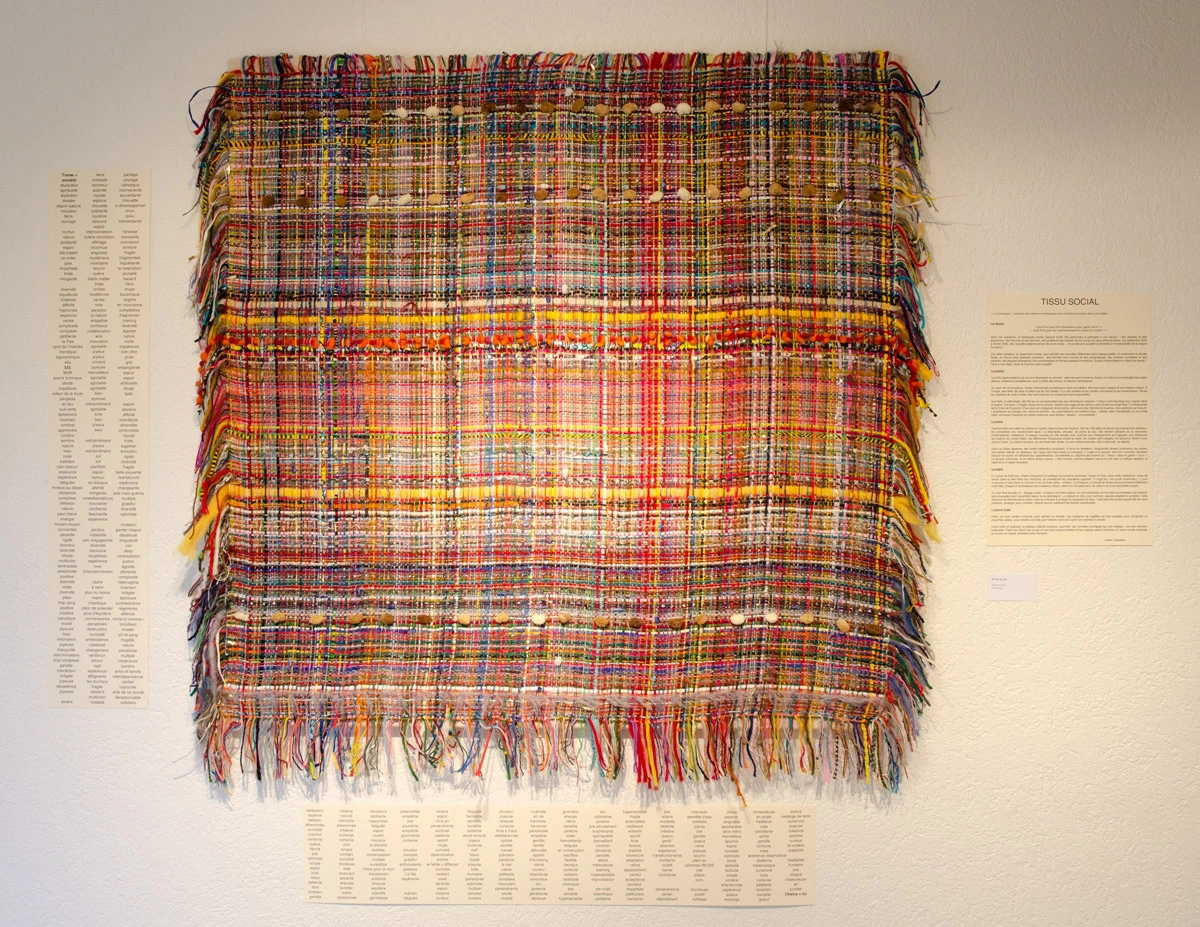
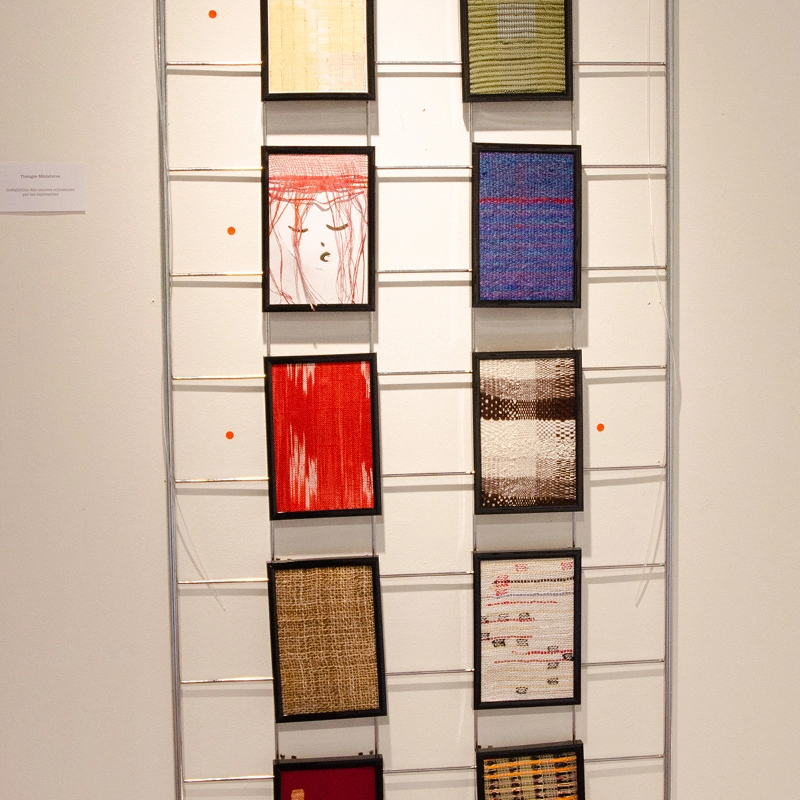
With these questions, weaver Nicole Genoud invites 300 people to participate in her work—friends and strangers, men and women, adults and children (and everything in between). From September 2025 to February 2026, she patiently collects threads and words… and immediately finds herself confronted with the unpredictability of human nature!
For this seemingly simple instruction can take on different meanings in each person’s ears. A closer look at the final collection reveals a few surprises: unconventional formats and combinations, complete sentences and silences, foreign languages, onomatopoeia, and even a few inventions. Are these differences in interpretation or bursts of creativity? When faced with a rule, we are not all on equal footing.
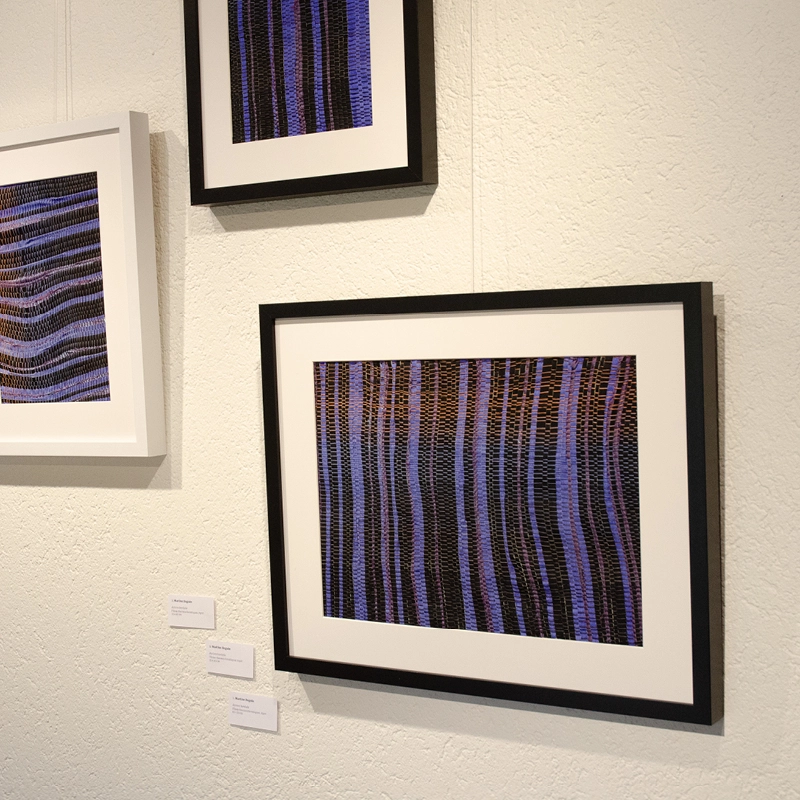
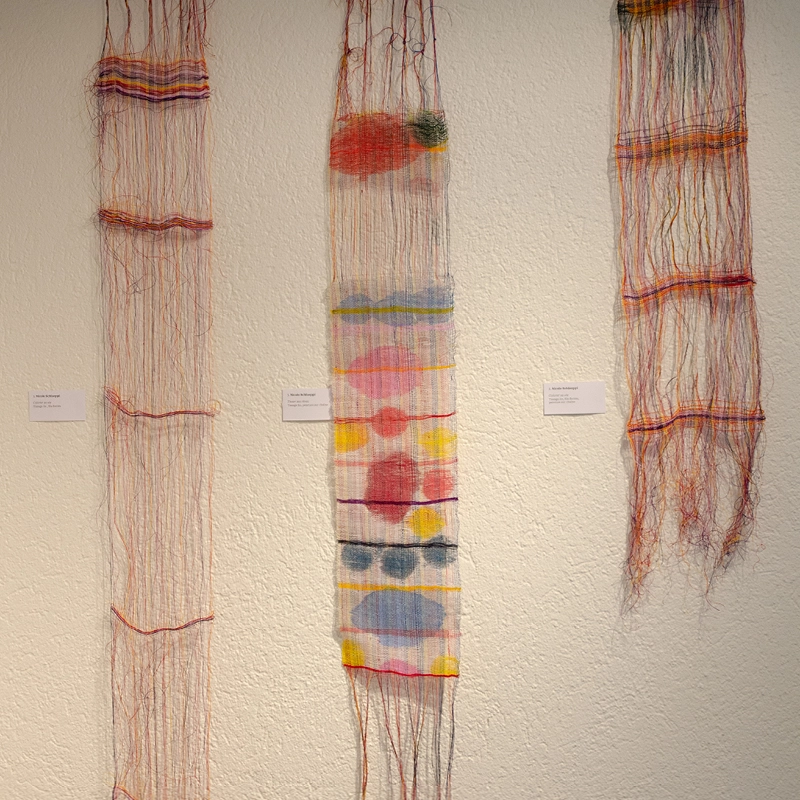
The 300 self-portraits are arranged first: they form the chain. We see the verticality of the standing figures, lives existing side by side, in constant tension.
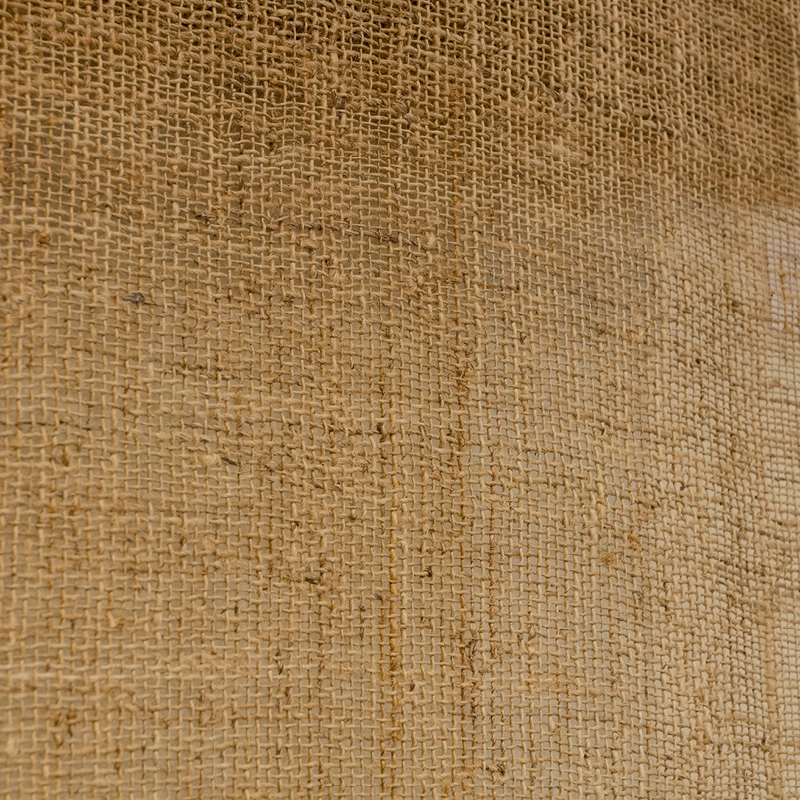
Throughout this process, Nicole Genoud gets to know her material, forming a unique relationship with each thread. Much like the people who chose them, perhaps, there are rebels and the docile, the understated and the eccentric. Nicole arranges them in such a way as to create harmony while preserving their individuality.
What should be done, at this stage, with the threads that do not meet the required dimensions? This one is too wide to pass through the comb. That one, so fragile, risks breaking. Would it be wiser to exclude them, for the sake of the final project? The weaver chooses inclusion.... Would it be wiser to exclude them, for the sake of the final project? The weaver chooses inclusion. For those who stray from the norm, she finds alternative paths, tailor-made solutions. The weaving experience is enriched as a result. Automatic responses are no longer enough. The artist, like a tightrope walker on her rope, is required to move forward with full presence, slowly, respectfully… and inventively!
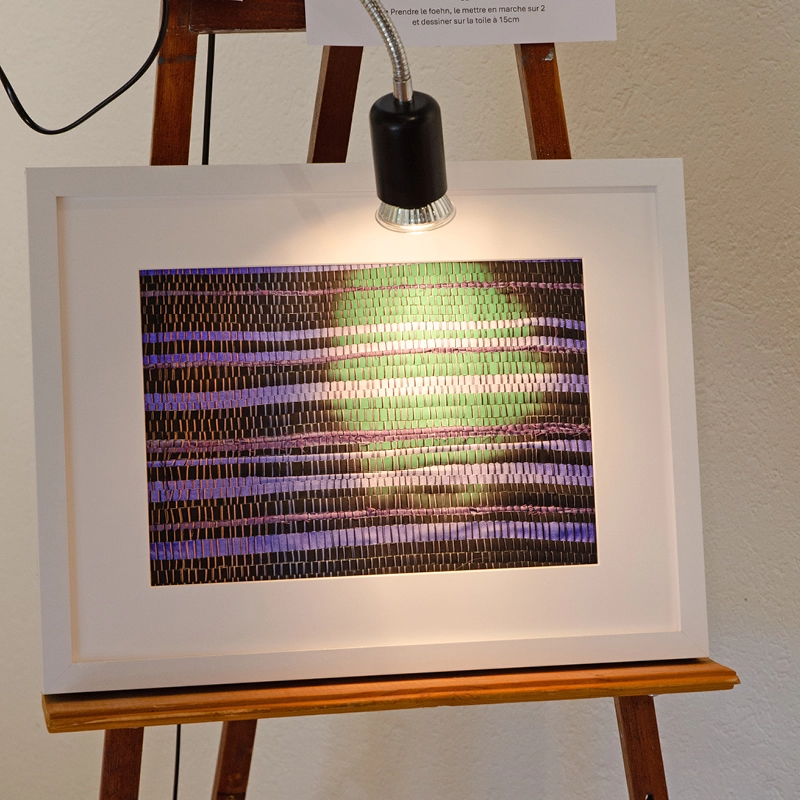
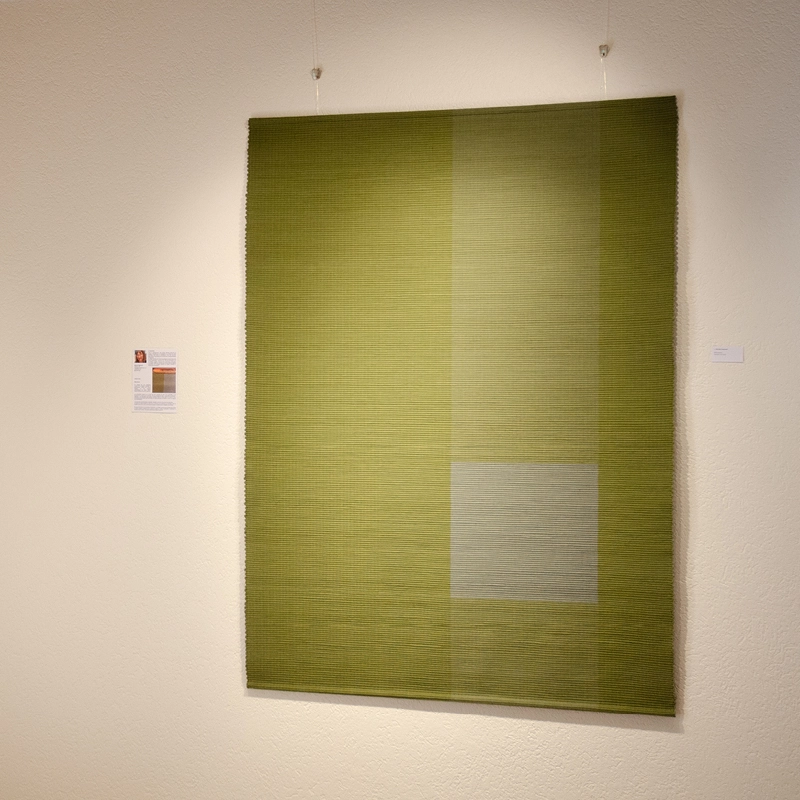
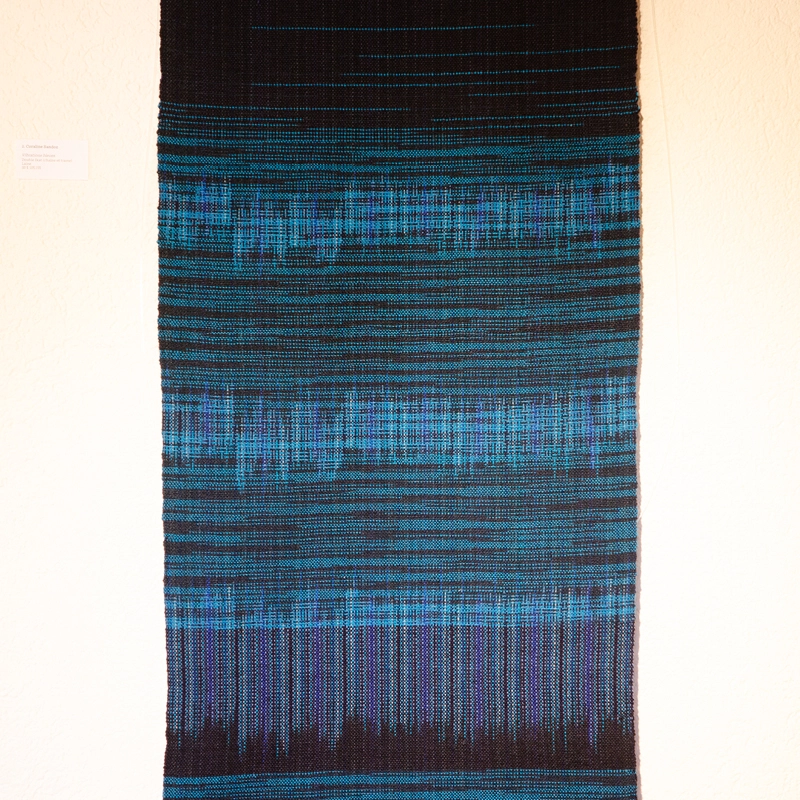
Worldviews then intertwine, stretching toward the horizon. 300 threads, 300 back-and-forth movements that unite individuals, connect them, and transform them as well. The weaver, amused, gets caught up in the process. She becomes a facilitator of encounters, a matchmaker, a mediator. With each new thread, she watches with curiosity the changes it brings, the influences it exerts on the established order. Differences in thickness create texture; the stitches are uneven, and the tension varies from one area to another. The human chain, which had stood perfectly straight, emerges transformed. It softens and relaxes.
Amid this apparent chaos, unexpected patterns emerge. Through repetition, irregularity gives way to coherence. In the center, a colorful band stands out; its ranks are smoother and more compact. This is a group whose members seem to taunt the others by flaunting their belonging. Identities align to form a “We” within the greater “Whole”! The group standardizes, and at the same time reassures. Human beings, as gregarious animals, find within it a welcome refuge, the answer to an ancestral call.
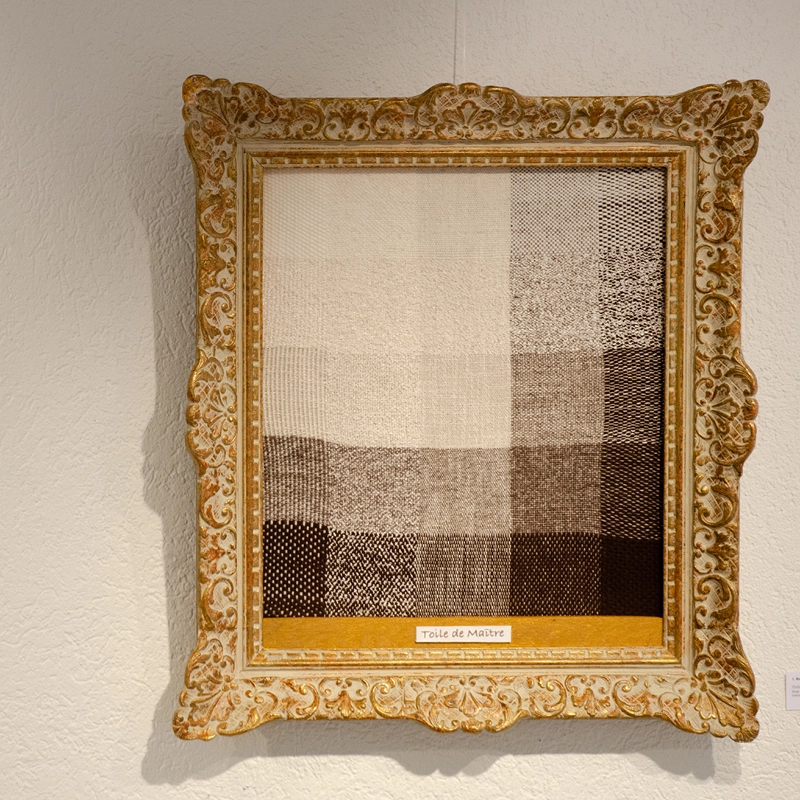
More than 2,000 years ago, Plato compared the art of politics to the work of a weaver. According to this metaphor, governing a state requires the ability to forge bonds among its members by interweaving opposing characters: it involves “weaving them together (…) to form a smooth fabric and, as they say, a beautiful weave ” (Plato, The Statesman). Nicole Genoud’s work faithfully embodies this idea, with each thread symbolizing a unique existence, endowed with a temperament, values, and a sensibility...
However, to be sustainable, the “social fabric” needs clear boundaries. Particular care is taken in crafting the edges, without which the whole structure risks falling apart. Finally, the wooden frame provides stability and symmetry. This structure does not seek to restrict, but rather to protect the fabric’s flexibility. This is perhaps the greatest challenge of the political act: to protect without controlling, to unite while celebrating individual freedoms.
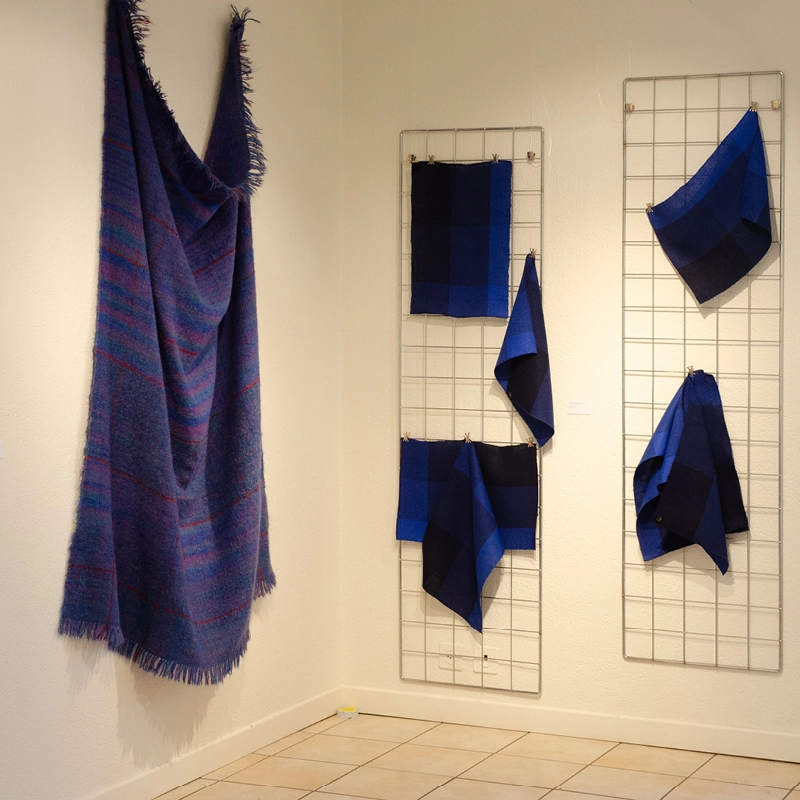
Finally, it’s time to take a step back and admire the result. Hundreds of fragile elements have come together to form a solid whole. Their fates are bound by the shared history they have helped to weave.
Somewhere between order and chaos, this collective painting may surprise viewers with the overarching emotion it conveys: a vibrant, undeniable joy. Amid self-portraits that are not always flattering and sometimes bleak perspectives on our imperfect world, color and hope seem to have triumphed.
Coline Casnabet